
Outdoor Design Manual
 bubble to view comments.
 Loading Glossary…
 Summary
HideIntroduction
Hamilton-Wentworth District School Board’s (HWDSB) Outdoor Design Manual was created to
encourage and support schools intending to improve their outdoor spaces. We hope it helps schools create inspiring, engaging, sustainable and safe areas for student learning and growth.
Introduction
The guide provides advice on the design, implementation and maintenance of schoolyard features. The Outdoor
Design Manual is intended to also help schools understand the responsibilities of both the school
community and the Facility Services department as well as processes for obtaining approvals and project
support.
At HWDSB, we strive to create the most engaging and rewarding learning experiences for our students.
Outdoor learning can create new opportunities that nurture student creativity, imagination and real-world
experiences. Student voice matters, and we encourage staff to include students in the planning,
implementation, maintenance and use of outdoor areas.
PLANNING YOUR PROJECT
This manual was created to guide schools through the process of implementing schoolyard improvement
projects such as gardens, outdoor classrooms, and play areas, from concept to completion. It contains
information on design considerations for your space, when and how to involve the school board, how
to get your design installed, and how to maintain your outdoor project. The manual will help you
understand the various responsibilities of schools, administration, the school board, and volunteers
throughout the process. The process of improving your schoolyard is a team effort and the Board’s
Facility Services staff is here to help you along the way.
The steps in this section will help you work through the design and implementation of your project. Use
these steps as an action plan to take your project from start to finish.
DESIGN IDEAS
Once the framework of the project has been outlined by listing goals, determining funding, and creating
a concept plan, and once Facility Services has given the approval to proceed to the next step,
a detailed design for your project can be developed. The detailed design will provide more specifics
about your intent than the concept plan (such as dimensions of the proposed amenities, proposed
plant species, and material specifications). Depending on the complexity of the project, this step may
be undertaken by a consultant. Facility Services will provide direction as to whether or not a
consultant should be involved in this stage. Schools are not to hire consultants themselves and must
involve Facility Services in the process.
IMPLEMENTATION
Now that you have been through the design process and Facility Services has approved your final design,
you begin to implement your vision. Depending on the complexity of the project, it may be appropriate
to have students, teachers, parents, and community volunteers participate in some part of the process (i.e.
planting and weeding), as authorized by Facility Services. Otherwise, a contractor will need to be retained
through Facility Services. This section will guide you through volunteer responsibilities, how to organize
planting installation, and working with contractors.
Don’t forget that with any schoolyard improvement project, utility locates are required prior to digging.
MAINTENANCE
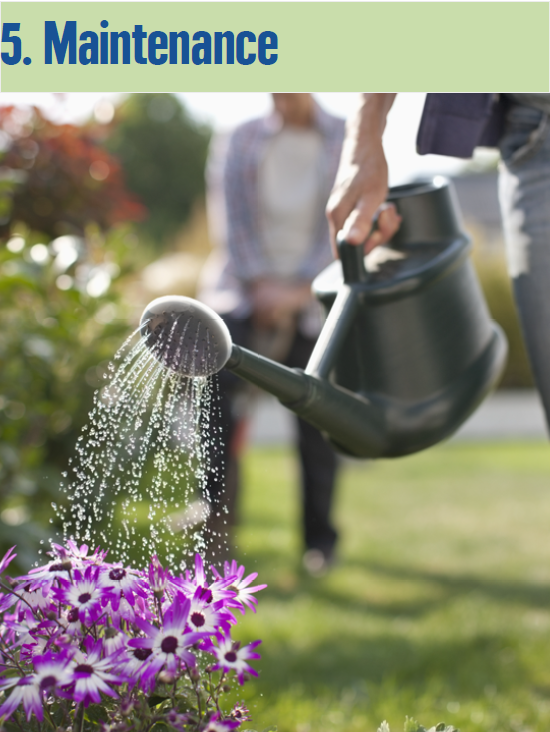
Now that construction of your project is complete, it’s time to enjoy your new outdoor space! Regular
maintenance of your space is vital to its long-term durability, safety, and aesthetic appeal. The purpose of
this section is to communicate the procedures and tasks to be undertaken by Caretakers, Facility Services,
and volunteers. The maintenance activities described in this section are focused on the day-to-day upkeep
of outdoor spaces, as well as yearly duties to keep your project thriving to its full potential
DESIGN EXAMPLES
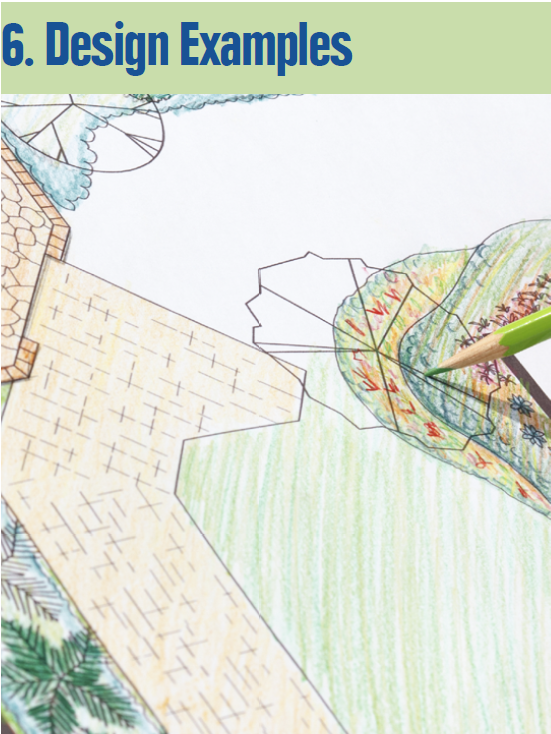
It is important to consider planting a pollinator garden within the urban environment, as they are critical
to pollinate fruits, vegetables, flowers (both wild and domesticated) and help make plants healthier and
yield better harvests. While we don’t know exactly why pollinator populations are declining worldwide,
lack of habitat is a factor. By making a welcoming space that provides shelter and food for insects and animals
(i.e. bees, wasps, flies, beetles, butterflies, moths, bats, hummingbirds), this will help make other gardens
and/or plantings on the property and neighbourhood thrive, while also helping to preserve essential
pollinator populations.

Comments
View all Cancel